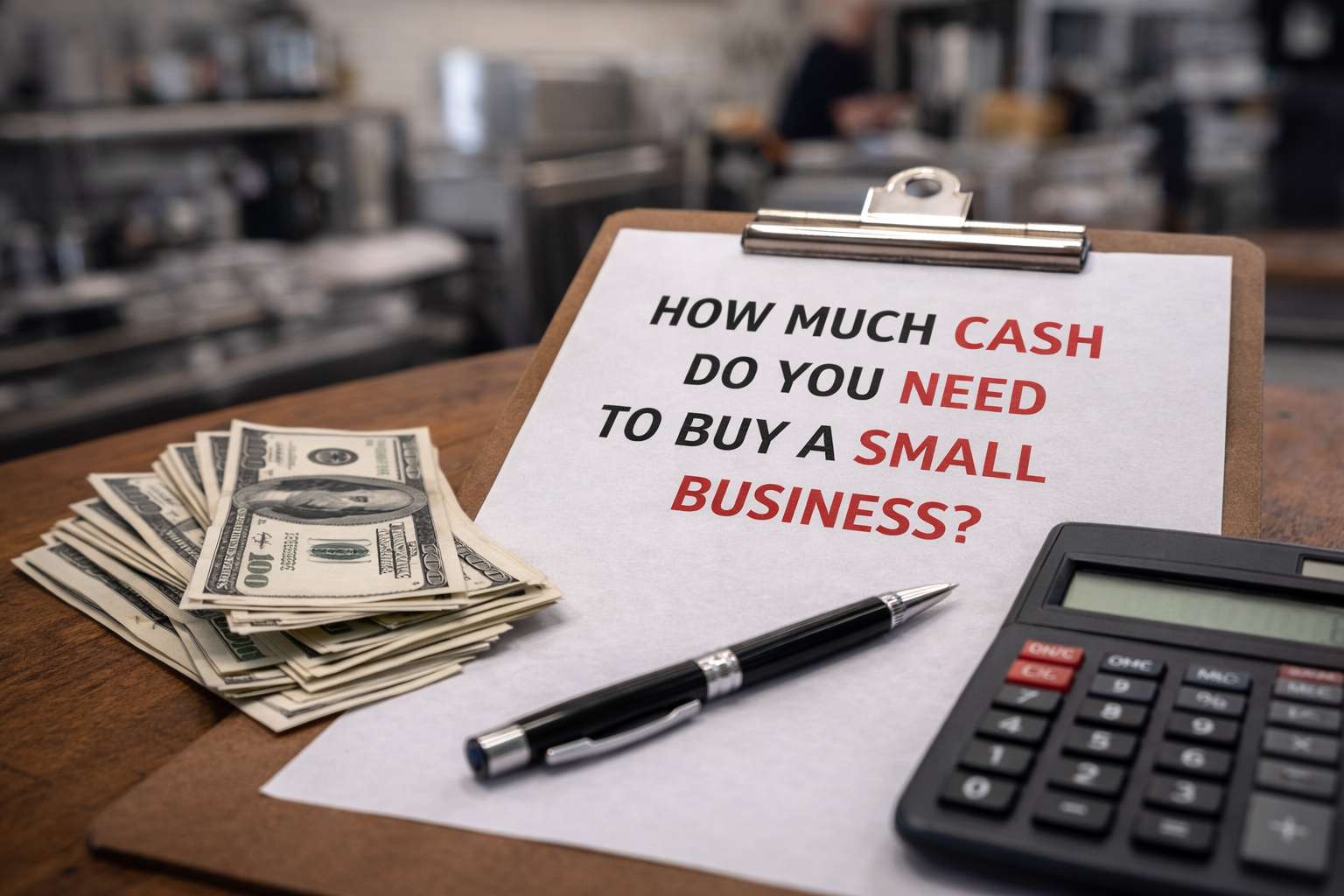
Category: Money & Financing

  • How Much Cash You Really Need Before Buying a Small Business

    How Much Cash You Really Need Before Buying a Small Business

    When people talk about buying a small business, the focus is usually on the purchase price.

    That’s a mistake.

    What matters just as much — sometimes more — is how much cash you have available after the deal closes. From my experience, not having enough cash creates pressure, stress, and bad decisions early on.

    Here’s what I wish I had understood before buying a small business.


    The Purchase Price Is Only the Starting Point

    Buying a business doesn’t end when the money changes hands.

    Right away, you start paying for:

    • Rent

    • Utilities

    • Payroll

    • Inventory

    • Repairs

    • Permits and fees

    Even if the business is already operating, cash goes out fast.

    I learned this while breaking down the real costs in How Much It Really Costs to Start a Small Food Business in California.


    Working Capital Is Not Optional

    Working capital is the cash you use to keep the business running day to day.

    You need it for:

    • Slow weeks

    • Unexpected repairs

    • Delayed permits

    • Inventory shortages

    Without working capital, every expense feels like an emergency.

    This is where many buyers underestimate how fragile the early months can be.

    Slow Business Early Is More Common Than People Admit

    One of the hardest parts of buying a small business is how slow things can feel at the beginning.

    Even after taking over, improving operations, and reopening, sales don’t always bounce back right away. Customer habits take time to return, and momentum doesn’t reset overnight—especially if the business was disrupted or closed for any period.

    This is why having enough cash matters so much. Slow early sales don’t always mean the business is broken. Sometimes they simply mean the business is restarting from zero while expenses continue at full speed.

    Without working capital, slow months can feel overwhelming. With it, they become part of the transition rather than a crisis.


    You Need an Emergency Buffer (Even If Things Look Good)

    Something will go wrong.

    Equipment breaks. Inspections get delayed. Sales fluctuate.

    Having an emergency buffer:

    • Reduces stress

    • Prevents rushed borrowing

    • Gives you time to make better decisions

    Many of the mistakes I talk about in Mistakes I’d Avoid If I Bought a Small Business Again came from not having enough margin for error.


    Debt Payments Shrink Your Real Cash

    Loans don’t just cost money — they reduce flexibility.

    Monthly payments:

    • Limit how much cash you can reinvest

    • Add pressure during slow periods

    • Affect every decision you make

    I explain more about how borrowing changed my experience in Is Taking a Loan to Start a Small Business a Mistake?.


    Cash Flow Determines How Long You Can Survive

    Cash flow isn’t about profit on paper.

    It’s about timing:

    • When money comes in

    • When bills are due

    • How long you can operate without growth

    Poor cash flow makes even good businesses feel like they’re failing. I explain why this happens in Why Poor Bookkeeping and Cash Flow Kill Small Businesses.


    So, How Much Cash Is “Enough”?

    There’s no single number, but a safer approach is to have:

    • 3–6 months of operating expenses

    • Extra funds for repairs and upgrades

    • A buffer that covers loan payments during slow months

    Buying a business without this cushion turns small problems into big ones.


    Final Thoughts

    Cash doesn’t guarantee success, but a lack of cash almost guarantees stress.

    If you’re thinking about buying a small business, plan beyond the purchase price. The money you keep available after closing often matters more than the deal itself.


    Disclaimer

    This article is based on personal experience and is for educational purposes only. It is not financial advice.
  • Mistakes I’d Avoid If I Bought a Small Business Again

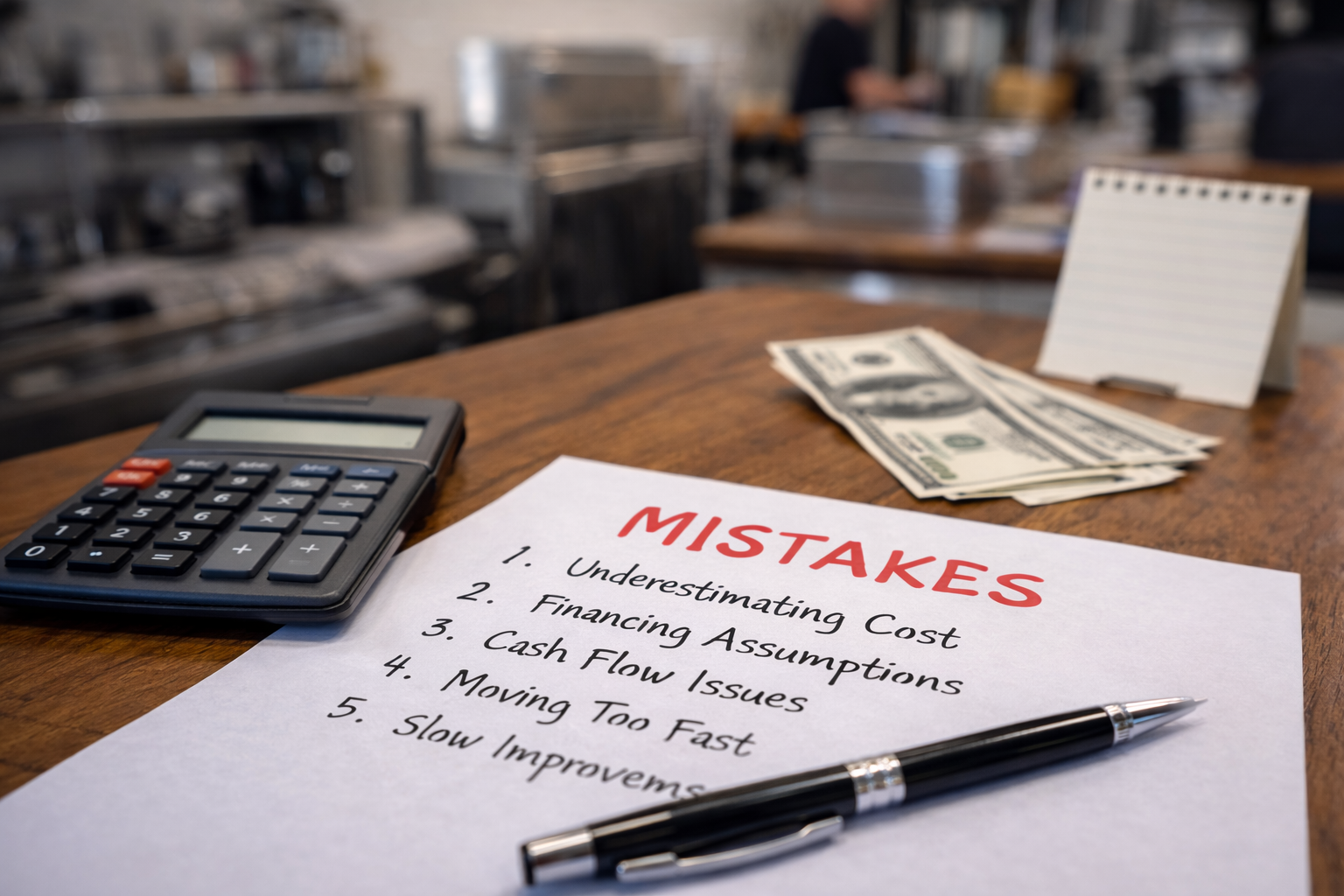
    Mistakes I’d Avoid If I Bought a Small Business Again

    Buying a small business is exciting. It feels like a shortcut compared to starting from zero.

    But excitement can hide risks.

    After going through the process myself, there are several mistakes I would avoid if I had to do it all over again. This post isn’t about regret. It’s about clarity and lessons learned through real experience.


    Mistake #1: Underestimating the True Cost

    I focused too much on the purchase price and not enough on everything that comes after.

    Beyond buying the business, there were:

    • Repairs and upgrades

    • Permits and compliance costs

    • Unexpected delays

    • Time without full operations

    The real cost of ownership was much higher than I expected. I explain those hidden costs in How Much It Really Costs to Start a Small Food Business in California.


    Mistake #2: Assuming Financing Would Be Simple

    I believed financing would fall into place once I found the right business.

    That wasn’t the case.

    Banks, lenders, and traditional options required more history, paperwork, and time than I expected. Approval wasn’t guaranteed, and delays created pressure.

    I explain that reality more clearly in Is Taking a Loan to Start a Small Business a Mistake?.


    Mistake #3: Not Fully Understanding Cash Flow Early

    I underestimated how much cash flow would affect daily decisions.

    Monthly payments don’t wait for slow weeks. Expenses don’t pause. When cash flow is tight, even good decisions feel stressful.

    Understanding this earlier would have changed how I planned. I break this down in Why Poor Bookkeeping and Cash Flow Kill Small Businesses.


    Mistake #4: Moving Too Fast Without a Safety Buffer

    Once the deal started moving, everything felt urgent.

    I felt pressure to:

    • Finalize agreements quickly

    • Invest early

    • Fix problems immediately

    Without a strong buffer, every unexpected issue felt heavier. Slowing down and planning for uncertainty would have reduced stress.


    Mistake #5: Expecting Improvements to Pay Off Quickly

    Improvements are important, but results take time.

    Renovations, changes, and upgrades don’t translate into instant returns. Growth is slower than expected, especially in the beginning.

    Buying the business itself was only part of the journey, which I explain in How I Bought a Small Business Without a Traditional Bank Loan.


    Final Thoughts

    Buying a small business can be rewarding, but it’s rarely simple.

    If I could do it again, I wouldn’t avoid the process — I would approach it with better expectations, more patience, and clearer planning.

    Mistakes don’t mean failure. They mean experience. And experience changes how you make decisions the next time.


    Disclaimer

    This article is based on personal experience and is for educational purposes only. It is not financial advice.
  • How I Bought a Small Business Without a Traditional Bank Loan

    How I Bought a Small Business Without a Traditional Bank Loan

    When people talk about buying a small business, the advice usually sounds simple:
    get a bank loan, have strong financials, and everything works out.

    That wasn’t my experience.

    I bought a business without a traditional bank loan, and the process was far from straightforward. This post shares what really happened, what worked, and what I learned along the way.

    I share more about the risks of borrowing in Is Taking a Loan to Start a Small Business a Mistake?


    How I Found the Business

    The business I bought was listed through a private sale online.

    There was no broker office, no polished presentation, and no guarantee that financing would be easy. It was a real opportunity, but also a real risk.

    At the time, traditional lenders were not willing to move quickly, and I didn’t yet have operating history under my ownership.


    The Deal Structure That Made It Possible

    Instead of a traditional loan, the deal was structured through a private agreement.

    Part of the purchase price was paid upfront. The rest was agreed to be paid monthly over time, without interest. This made the purchase possible when bank financing was not available.

    While this helped move the deal forward, it also created long-term obligations that needed to be planned for carefully.


    Why Traditional Financing Didn’t Work at First

    Banks and traditional lenders usually want:

    • Business history under current ownership

    • Clean financial records

    • Predictable cash flow

    • Time for review and approval

    Buying an existing business doesn’t automatically solve these issues. Without history under my ownership, approval was difficult.

    Waiting months for financing was not realistic for this situation.


    Investing Beyond the Purchase Price

    Buying the business was only the beginning.

    After the purchase, additional money was invested to improve operations and prepare the business for long-term growth. These investments were necessary, but they added pressure early on.

    This is something many buyers underestimate — the purchase price is rarely the final cost.


    The Risks That Come With Private Deals

    Private financing and seller agreements can be helpful, but they come with risks:

    • Monthly payments don’t pause when business slows

    • Personal finances are often tied to the deal

    • There is less flexibility if problems arise

    These risks don’t mean private deals are bad, but they do require clear planning and realistic expectations.


    How This Changed How I Think About Financing

    Going through this process changed how I view financing decisions.

    It reinforced that:

    • Speed often matters more than ideal terms

    • Financing choices affect daily stress, not just numbers

    • Cash flow matters more than projections

    • Every deal has trade-offs

    Understanding those trade-offs early makes a difference.

    Financing decisions like this directly affect cash flow, which I explain in this post about bookkeeping and cash flow.


    Final Thoughts

    Buying a small business without a traditional bank loan is possible, but it’s not easy.

    Private deals can open doors when banks say no, but they also shift risk onto the buyer. The key lesson is not whether this approach is right or wrong — it’s understanding what you’re committing to before moving forward.


    Disclaimer

    This article is based on personal experience and is for educational purposes only. It is not financial advice.
  • Credit Cards vs Loans: How I Ended Up Financing My Business

    Credit Cards vs Loans: How I Ended Up Financing My Business

    When I decided to buy a small business, financing felt overwhelming almost immediately.

    Everyone had advice. Banks suggested one path. Online lenders suggested another. Credit cards were easy to access but risky. Loans sounded safer, but approval was slow and uncertain.

    This post shares what I learned by comparing those options through real experience.

    I explained more about the risks of borrowing in Is Taking a Loan to Start a Small Business a Mistake?


    Why Credit Cards Are Often the First Option

    Credit cards are usually the fastest way to access money.

    Many business owners turn to them because:

    • Approval is quick

    • There is no long application process

    • Funds are available immediately

    • There is no waiting period

    For someone trying to move fast, this convenience is tempting. The downside, however, is interest. Balances can grow quickly, especially if cash flow is inconsistent.


    Why Traditional Loans Aren’t Always Available

    Loans often sound like the smarter choice.

    Lower interest rates and longer repayment terms make them attractive. But approval usually depends on things many new owners don’t have yet:

    • Strong business history

    • Clean, organized financial records

    • Consistent cash flow

    • Time to wait for approval

    Buying an existing business does not always solve this problem if ownership history is short.


    The Reality of Government-Backed Loans

    Government-backed loans are often recommended as the best option.

    In reality, the process can be long and complicated. It typically involves extensive paperwork, long waiting periods, and no guarantee of funding. Many business owners reach the end of the process without actual approval, especially when business history is limited.

    When timing matters, waiting months is not always realistic.


    Why Speed Often Wins Over Cost

    One of the biggest lessons I learned is that speed comes at a price.

    Faster financing options usually:

    • Cost more in interest

    • Require stronger personal guarantees

    • Increase pressure outside the business

    Sometimes the “best” option on paper isn’t the best option in real life when decisions need to be made quickly.


    How Financing Choices Affect Cash Flow

    Every financing decision affects monthly cash flow.

    Payments do not adjust when sales slow down. Interest continues to accumulate. That pressure can shape daily decisions and long-term planning.

    Financing decisions directly affect cash flow, which I explain in this post about bookkeeping and cash flow.


    What I Learned From Comparing Options

    Looking back, I learned that:

    • Easy money is rarely cheap

    • Approval does not mean affordability

    • Personal guarantees increase risk

    • Cash flow should guide financing decisions

    There is no single “right” option. Every choice comes with trade-offs.


    Final Thoughts

    Credit cards and loans can both help a business move forward. But they carry different risks, timelines, and pressures.

    Understanding those differences before choosing can prevent long-term stress. Financing should support the business — not control it.


    Disclaimer

    This article is based on personal experience and is for educational purposes only. It is not financial advice.

  • Why Poor Bookkeeping and Cash Flow Kill Small Businesses

    Why Poor Bookkeeping and Cash Flow Kill Small Businesses

    Many small business owners think profit is the most important number.

    I used to think that too.

    But after running a business, I learned something far more important:

    cash flow and bookkeeping matter more than profit especially early on.

    A business can look profitable on paper and still fail if the money is not managed correctly.

    When I took on debt to buy my business, I didn’t fully understand how cash flow would affect every decision. I explained that experience in Is Taking a Loan to Start a Small Business a Mistake?


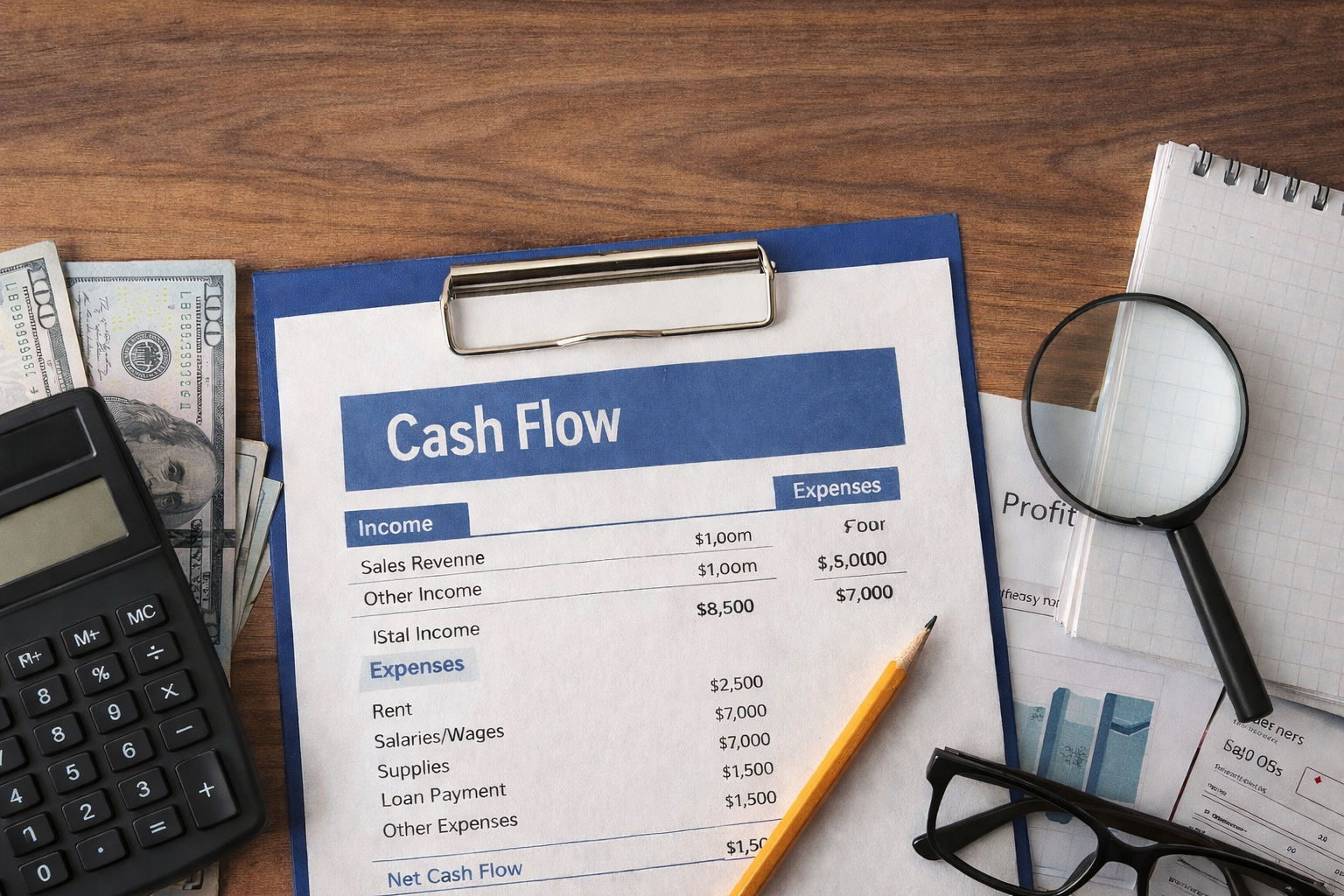
    Profit vs Cash Flow (Simple Explanation)

    Profit means:

    • You made more than you spent (on paper)

    Cash flow means:

    • You actually have money available to pay bills right now

    Here’s the problem:

    You can be profitable and still not have cash to pay rent, payroll, or loan payments.

    That’s where many businesses get stuck.


    How Poor Bookkeeping Hides Problems

    When bookkeeping is messy or delayed, problems stay hidden.

    Poor bookkeeping often means:

    • Not knowing how much cash is really available

    • Mixing personal and business money

    • Falling behind on taxes

    • Guessing instead of knowing

    Without clear records, it’s easy to think things are “okay” until a payment is missed or a surprise bill shows up.


    Why Cash Flow Problems Feel Sudden

    Cash flow issues rarely happen overnight.

    They build slowly:

    • Sales fluctuate

    • Expenses increase

    • Loan payments stay the same

    • Taxes come due

    If bookkeeping is not updated regularly, these warning signs are easy to miss.

    By the time the problem is obvious, the options are usually limited.


    Why Lenders Care So Much About Your Books

    This is something I didn’t fully understand early on.

    Lenders don’t just look at ideas.

    They look at numbers.

    They want to see:

    • Clean financial records

    • Consistent income

    • Clear expenses

    • Predictable cash flow

    When bookkeeping is weak or incomplete, lenders see risk—even if the business is working hard.

    This is one reason many small business owners struggle to qualify for traditional financing.


    How Weak Bookkeeping Affects Big Decisions

    Without clear numbers, it’s hard to answer questions like:

    • Can I afford this loan payment?

    • Is this slow month normal or dangerous?

    • Do I need to cut expenses now?

    • Can I hire help or should I wait?

    Poor bookkeeping forces decisions based on stress instead of facts.


    What I Learned the Hard Way

    From experience, I learned that:

    • Waiting too long to organize finances creates pressure

    • Cash flow matters more than short-term profit

    • Clean books give clarity, even when numbers are not great

    • Knowing the truth early is better than being surprised later

    Bookkeeping didn’t fix everything—but it made problems visible sooner.


    Simple Lessons for New Business Owners

    If you’re just starting, these lessons can save you pain later:

    • Track income and expenses regularly

    • Separate personal and business finances

    • Know your monthly fixed costs

    • Plan for taxes before they’re due

    • Watch cash flow, not just sales

    You don’t need perfection. You need visibility.


    Final Thoughts

    Many small businesses don’t fail because of bad ideas.

    They fail because of poor cash flow and unclear finances.

    Good bookkeeping won’t guarantee success, but poor bookkeeping almost guarantees stress.

    Understanding where your money is going—and when it’s coming in—can make the difference between surviving and slowly falling behind.


    Disclaimer

    This article is based on personal experience and is for educational purposes only. It is not financial advice.
  • Is Taking a Loan to Start a Small Business a Mistake?

    Is Taking a Loan to Start a Small Business a Mistake?

    When people talk about starting a small business, loans come up almost immediately.

    Banks, credit cards, and lenders often make it sound simple:

    Borrow now, grow later.

    I believed that too.

    I’m writing this from real experience after starting a business and learning—sometimes the hard way—how debt changes everything. Taking a loan is not automatically a mistake, but it can quickly become one if the risks are not fully understood.

    A big reason many people take on debt is because startup costs are higher than expected. I explained those costs in detail in How Much It Really Costs to Start a Small Food Business in California.


    Why Many New Business Owners Take Loans

    Starting a business requires money long before it becomes profitable.

    Some of the most common reasons people borrow include:

    • Purchasing equipment

    • Paying rent and security deposits

    • Covering permits and licenses

    • Renovations and repairs

    • Buying inventory and supplies

    Very few people have enough cash saved to cover all of this, especially when buying an existing business. Borrowing often feels like the only realistic option.


    Common Types of Loans People Consider

    Most new business owners explore a mix of financing options, such as:

    • Credit cards – quick access, but very high interest

    • Personal loans – faster approval, but personal risk

    • Traditional business loans – structured, but hard to qualify for

    • Government-backed loans – lower rates, but long and complex

    Each option comes with trade-offs that are not always explained clearly at the beginning.


    Why Government-Backed Loans Don’t Work for Everyone

    On paper, government-backed loans sound like the best option. They usually offer lower interest rates and longer repayment terms.

    In reality, the process can be very long and complicated.

    I personally went through this process, which involved extensive paperwork, long waiting periods, and repeated follow-ups. In the end, the experience mostly led to lists of potential lenders rather than actual funding.

    One of the biggest challenges was business history. Even though I had purchased an existing restaurant, I did not have a long operating history under my own ownership. That made approval slow and uncertain.

    When you are trying to keep a business moving forward, waiting months for a decision is often not realistic.


    Why Some Owners Turn to Alternative Financing

    Because of delays and limited approvals, many business owners look for faster alternatives.

    In my case, I chose a form of financing that allowed me to move forward quickly but required strong personal guarantees. This made funding possible, but it also shifted a large amount of risk outside of the business itself.

    These options can help when time is critical, but they often come with higher interest, stricter terms, and more personal pressure.


    My Real Experience With Business Debt

    I want to be honest here.

    To start and keep the business running, I took on multiple loans using both personal and business credit. Over time, that debt grew into a six-figure amount.

    The loans did not mean I failed.

    But they made every mistake more expensive.

    Monthly payments added stress, especially during slow periods, and limited flexibility when unexpected costs appeared. The debt didn’t create the problems—but it amplified them.


    The Biggest Risk of Borrowing Too Early

    The biggest mistake isn’t borrowing money.

    It’s borrowing before the business is stable.

    Loans come with:

    • Fixed monthly payments

    • Interest that compounds over time

    • Pressure even when sales are low

    Payments do not pause during slow months, emergencies, or learning curves. That pressure can affect decisions, focus, and long-term planning.


    When Taking a Loan Can Make Sense

    A loan can make sense if:

    • You clearly understand your monthly cash flow

    • Your sales expectations are realistic

    • You have reduced unnecessary startup costs

    • The loan supports growth, not just survival

    Borrowing with a plan is very different from borrowing out of urgency or fear.


    When Loans Become a Problem

    Loans often become a problem when:

    • Payments are too high for early revenue

    • Sales take longer than expected

    • Repairs or surprise expenses come up

    • Multiple debts stack at the same time

    At that point, the business starts working for the debt instead of the debt supporting the business.


    What I Wish I Knew Before Borrowing

    Looking back, I wish I had:

    • Planned for longer slow periods

    • Borrowed less at the beginning

    • Better understood how interest compounds

    • Focused more on cash flow than growth

    Debt does not disappear when things get difficult—it becomes louder.


    Final Thoughts

    Taking a loan to start a small business is not automatically a mistake.

    But it is one of the most serious decisions a business owner can make.

    If you are considering borrowing, slow down, run the numbers, and be honest about the risks. A loan can help you move faster—but it can also make recovery much harder if things do not go as planned.


    Disclaimer

    This article is based on personal experience and is for educational purposes only. It is not financial advice.

  • How Much It Really Costs to Start a Small Food Business in California

    How Much It Really Costs to Start a Small Food Business in California

    I’m sharing this from real experience after opening a small food business in California and learning many of these costs the hard way.

    Starting a small food business in California sounds exciting.
    But what most people don’t realize is how fast the costs add up.

    I learned this the hard way.

    Before opening, I thought I had a rough idea of the expenses. I was wrong. There were many costs no one clearly explained, and some showed up only after I had already committed.

    This article breaks down what it really costs, in simple terms, so you know what to expect.


    The Big Costs People Expect

    Most people plan for these:

    • Equipment (grills, freezers, refrigerators)

    • Rent and deposits

    • Ingredients and supplies

    • Basic renovations

    These are expensive, but they’re not the biggest surprise.


    The Hidden Costs No One Warns You About

    This is where many small business owners struggle.

    Some of the costs I didn’t fully expect included:

    • Business licenses and permits

    • Health department inspections and fees

    • Fire inspections

    • Insurance (liability, workers’ comp, etc.)

    • Payroll setup and taxes

    • Sales tax and reporting tools

    Each one may seem small alone, but together they add up fast.


    Permits and Paperwork Costs

    In California, food businesses must deal with multiple agencies.

    You may need:

    • City business license

    • Health permit

    • Seller’s permit

    • Food safety certifications

    • Sign permits

    Some permits renew yearly, which means ongoing costs — not just one-time fees.


    Equipment: Buy New or Used?

    This is a big decision.

    • New equipment is expensive but reliable

    • Used equipment is cheaper but risky

    If used equipment breaks, repairs can wipe out the money you thought you saved.


    Financing: Where Many People Get Stuck

    Because of these costs, many people turn to financing.

    This can include:

    • Personal savings

    • Credit cards

    • Personal loans

    • Business loans

    Financing can help you start sooner, but it also adds pressure. Monthly payments don’t stop just because business is slow.


    What I Wish I Knew Before Starting

    If I could go back, I would:

    • Budget more than I thought I needed

    • Plan for delays and surprise fees

    • Learn more about taxes and payroll upfront

    • Be more careful with debt early on

    Starting a food business is possible, but going in blind makes it much harder.

    Many of these startup costs lead business owners to consider borrowing. If you’re wondering whether that decision is worth it, I break it down in detail in Is Taking a Loan to Start a Small Business a Mistake?


    Final Thoughts

    Opening a small food business in California is not cheap.

    But understanding the real costs ahead of time can save you stress, debt, and mistakes.

    If you’re thinking about starting one, take your time, plan carefully, and don’t underestimate the hidden expenses.